
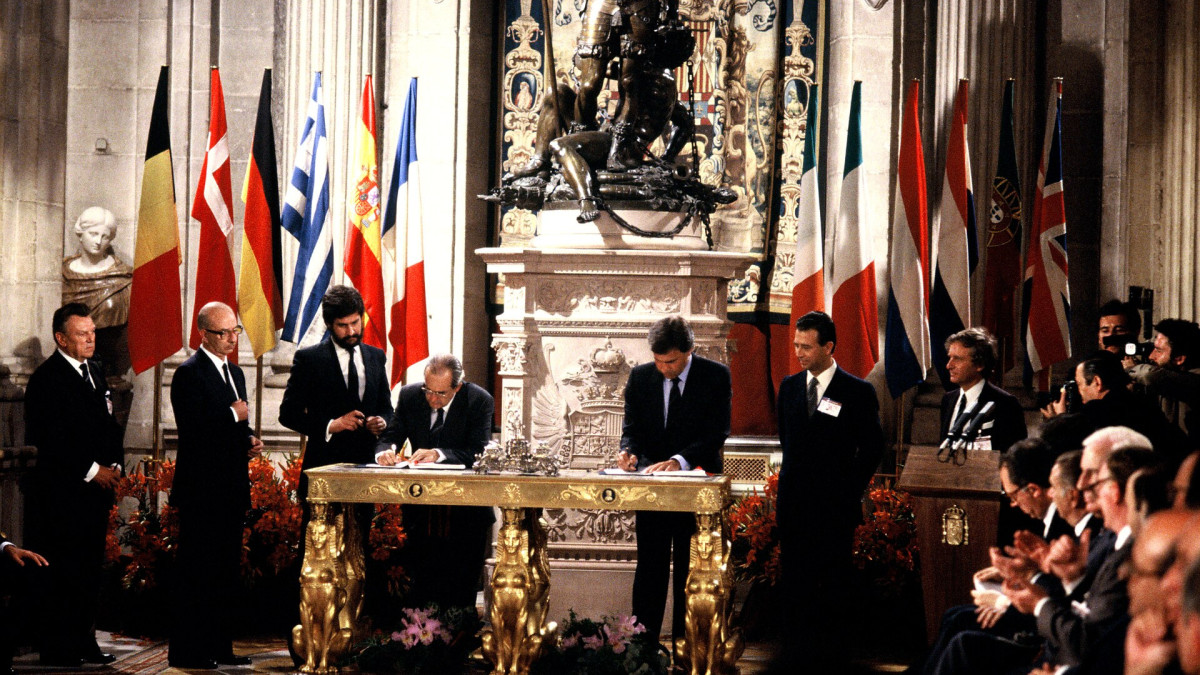
On January 1, 1986, Spain joined the then European Economic Community and definitively closed a long era of political, economic and institutional isolation. The entry into Europe symbolized much more than an administrative accession: it represented the definitive anchoring of Spanish democracy in the Western political space and the beginning of a profound economic, social and territorial transformation.
Forty years later, the balance is usually drawn in one direction: what Europe has contributed to Spain. Cohesion funds, the modernization of infrastructures, institutional stability, the single market or democratic consolidation are part of that widely shared narrative. But four decades on another question also emerges: what has Spain contributed to the European project.
The answer is no longer limited to the role of a recipient country in integration. In these years, Spain has participated in some of the great debates that have defined the evolution of the Union: territorial cohesion, eastern enlargement, the social agenda, foreign policy, the energy transition or the common response to major economic and geopolitical crises.
To tackle that evolution, Agenda Pública has posed the same question to different voices in the European debate: what has been Spain’s greatest contribution to the European Union in these forty years? The responses sketch a country that, with varying intensities and at different moments, has helped shape European political priorities that today form part of the core of the Community project.
Roxana Mînzatu
Roxana Mînzatu, Executive Vice-President of the European Commission
For Roxana Mînzatu, the main contribution of Spain to European construction cannot be understood solely in economic or institutional terms. “I would say that the greatest contribution of Spain to the European Union has been its people,” she says. From there, she builds a view of Spain associated with a political and social culture deeply Europeanist. The “European history of Spain,” she argues, has been crafted by its citizens “through their work, their openness, their creativity and their confidence in a shared European future”.
“Spain has consistently defended a Europe that is not merely a market, but a community of people, rights and shared progress”
The Executive Vice-President of the Commission stresses especially the social dimension of Spain’s role within the EU. According to her, Spain has defended “consistently a Europe that is not merely a market, but a community of people, rights and shared progress.” In her view, the country has made “a vital contribution” to European cohesion, helping “to reduce inequalities” and ensuring that “the progress of Europe reaches people and regions everywhere”.
Mînzatu also links that contribution to the defense of the EU’s foundational values. During these forty years, she states, Spain has helped “to strengthen the unity of Europe around our common values: democracy, liberty, equality, solidarity and respect for human dignity”. And she adds: “These values are deeply European and also form part of Spain’s DNA”.
In the cultural and generational sphere, she also highlights the symbolic role of the Erasmus+ programme. “It is not a coincidence that Spain is the top destination of Erasmus+”, she notes. “Millions of European youths have chosen cities across Spain to learn and discover. That says a lot”.
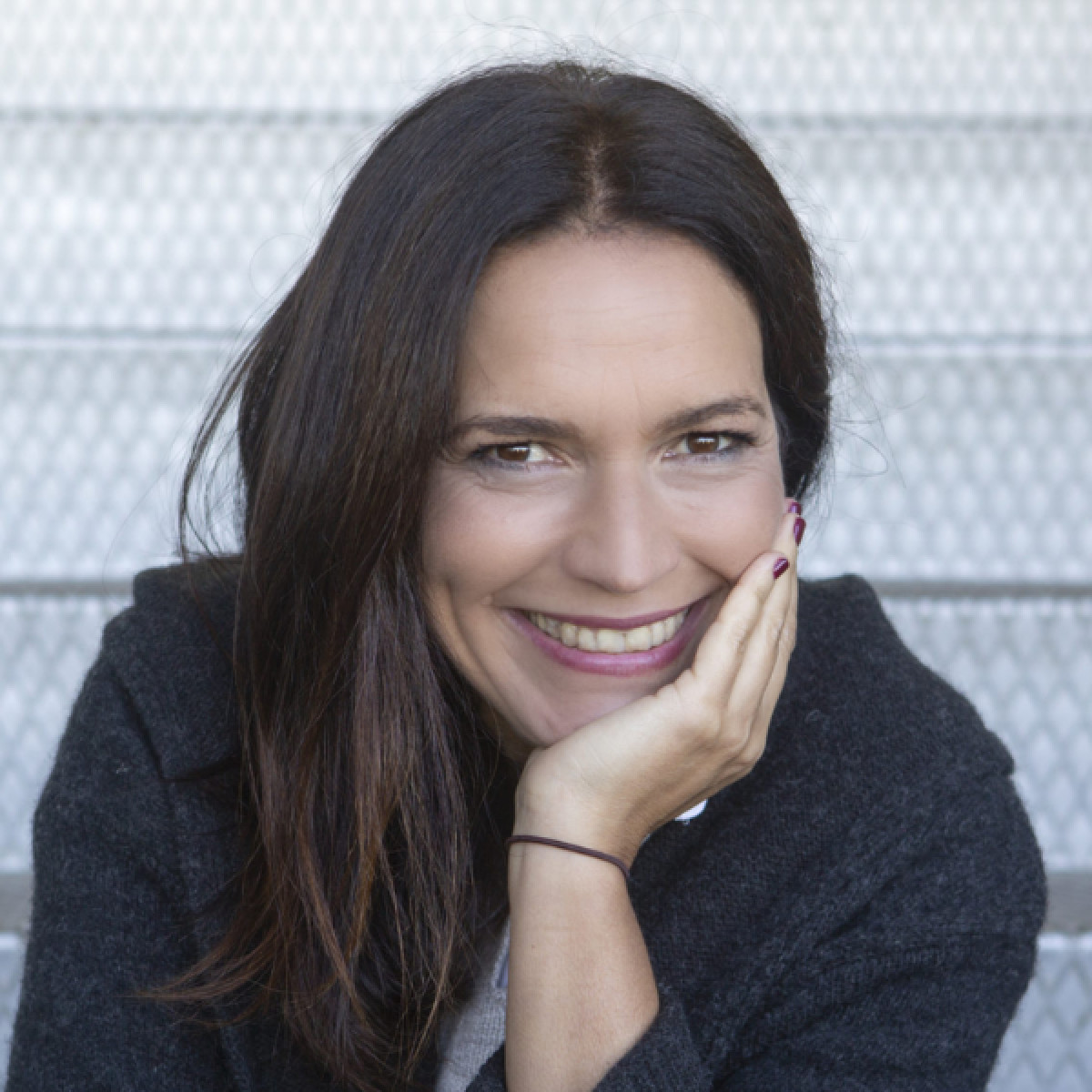
Lina Gálvez
Lina Gálvez, Socialist MEP, and Andrés Rodríguez-Pose, Professor of Economic Geography at the London School of Economics
Lina Gálvez and Andrés Rodríguez-Pose identify, in a joint dialogue, three major Spanish contributions to the European project: the Erasmus programme, cohesion policy and the NextGenerationEU fund.
For Gálvez, the first is evident: “The Erasmus programme is probably the European initiative that has contributed the most to generating European citizenship”. Her argument places Spain not only as a beneficiary of European exchange, but also as one of the spaces where that shared identity has taken shape most strongly.
“All initiatives are joint in the European Union, but this one is closely linked to the single market and was promoted by Felipe González”
Rodríguez-Pose, for his part, focuses on regional development policy. He explains that this policy “later became European policy,” although it was very tied to the political impetus of the Felipe González government. “All initiatives are joint in the European Union,” he notes, “but this one is very closely linked to the single market and was promoted by Felipe González as a way to prepare many areas with potential, yet still lacking sufficient capacity to compete fully in that market”.
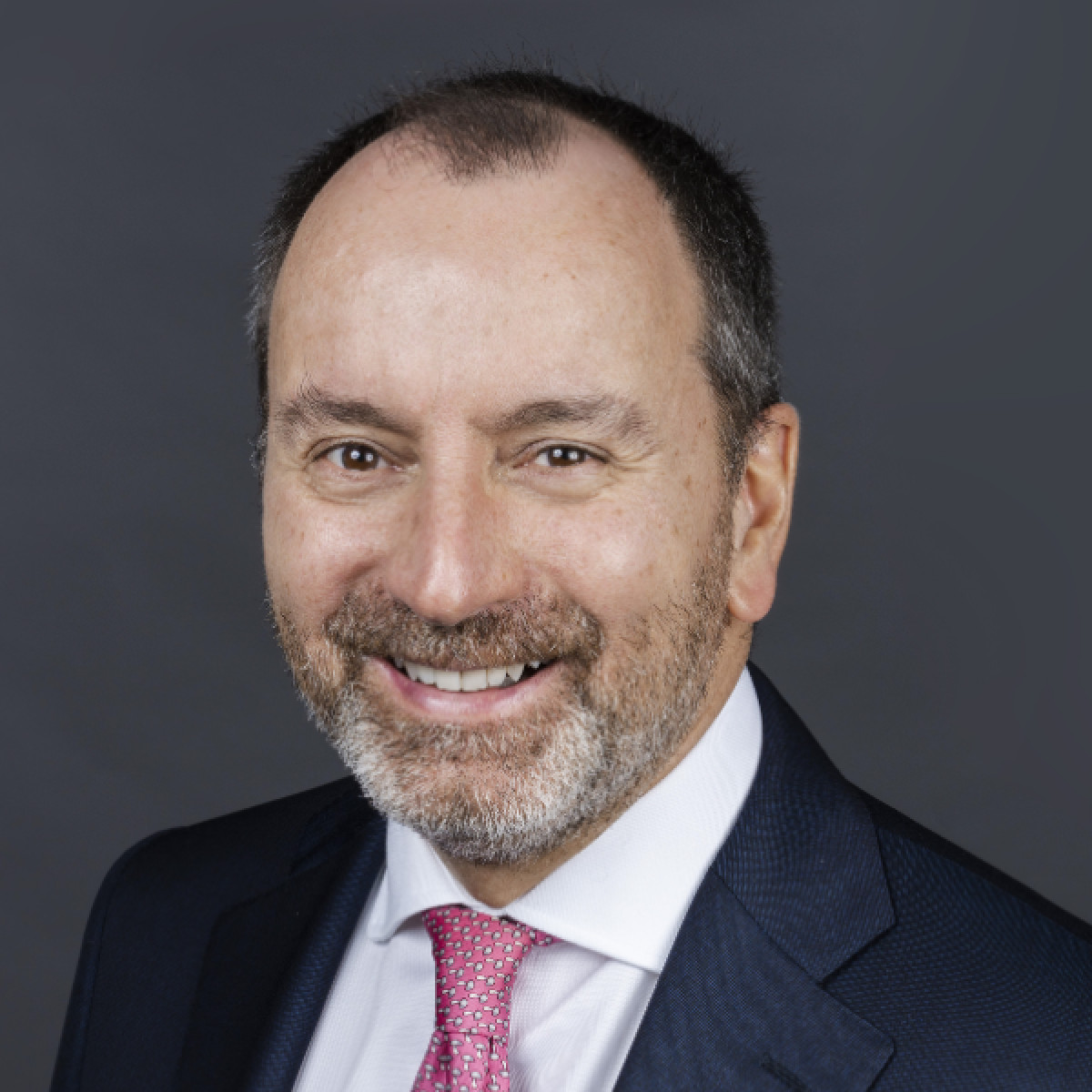
Andrés Rodríguez-Pose
The professor also highlights the historical impact of that strategy on the eastward enlargement. “That policy has allowed countries, especially in the east, that joined the European Union with very low levels of development to be much closer to the European average today,” he explains. And he explicitly defends Spain’s role in that construction: “It’s often linked to Delors, but it was actually Felipe González.”
Rodríguez-Pose also places Spain behind one of the EU’s most important economic responses in recent decades: the NextGenerationEU fund. “Just as Next Generation was Pedro Sánchez’s idea,” he says. And he sums up these contributions: “So there you have three: Erasmus, regional development policy and Next Generation”.
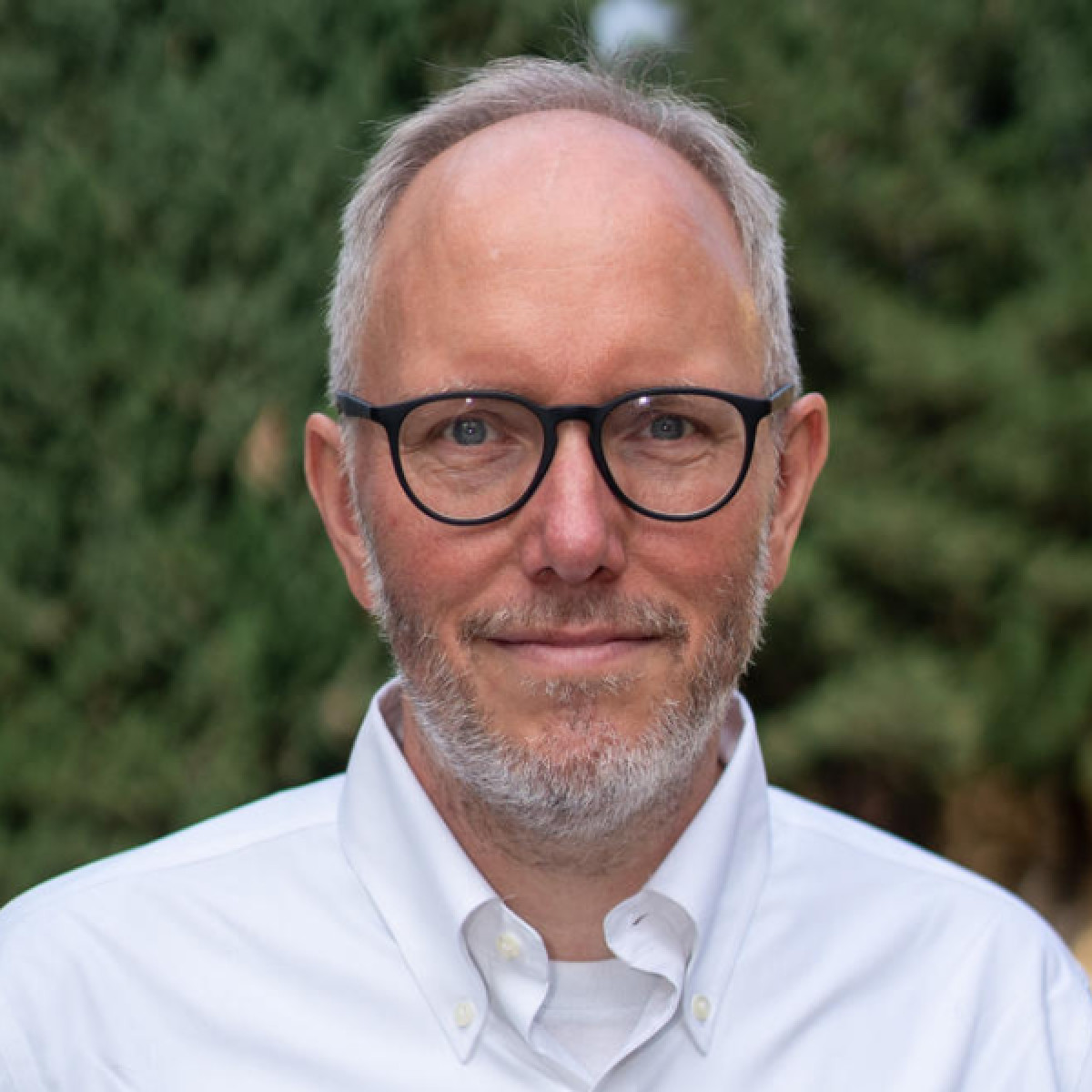
Erik Jones
Erik Jones, Director of the Robert Schuman Centre for Advanced Studies at the European University Institute
Erik Jones highlights a Spanish contribution less evident in traditional European perception: foreign and security policy. “People do not think of Spain as a power in foreign policy,” he states, “and yet, in some sense, it is.”
“Spain has occupied on two occasions one of the most sensitive posts in the European institutional architecture”
His reflection starts from a fact he regards as very significant: Spain has occupied on two occasions one of the most sensitive posts in the European institutional architecture, the High Representative for Foreign Affairs and Security Policy. Jones specifically mentions Javier Solana and Josep Borrell.
On Solana he recalls “his career in the WEU, NATO and the European Commission.” On Borrell, he highlights “his trajectory,” which included “a period as president of the European University Institute before becoming high representative.” Both, he says, were “very effective High Representatives, each in their own way”.
Jones also admits that he would never have imagined such a strong Spanish presence in that post. “If you had asked me when the idea to create that post was raised whether I imagined Spain would be overrepresented in that post, I would have said no,” he acknowledges. “But it happened. And I think it has worked well.”
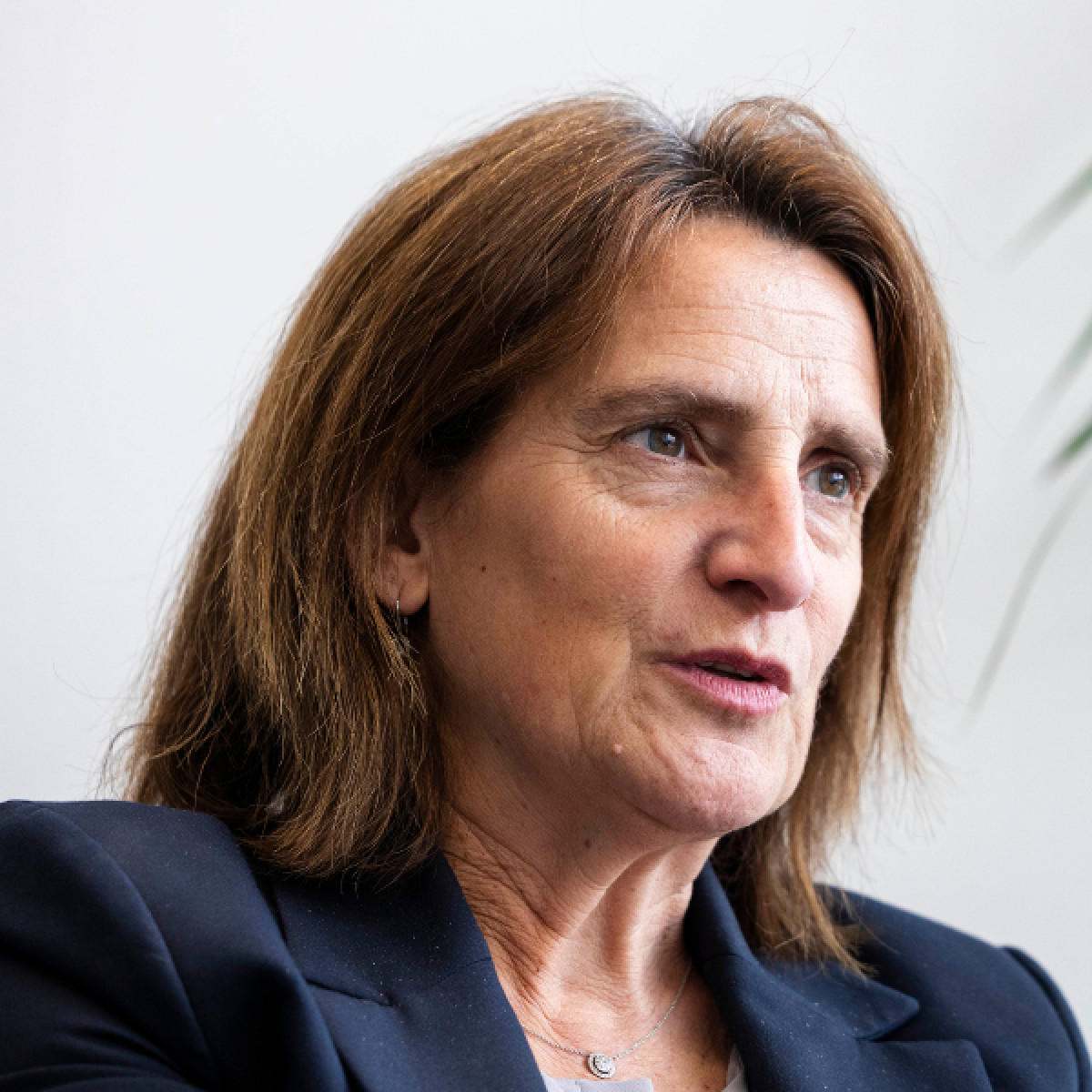
Teresa Ribera
Teresa Ribera, Executive Vice-President of the European Commission for a Clean, Fair and Competitive Transition
For Teresa Ribera, one of the biggest Spanish contributions to Europe in recent years has to do with the energy transition and with the ability to turn renewables into an industrial and geopolitical strategy.
According to her, Spain “learned the lesson well” in making use of what it did have: the capacity to generate competitive renewable energy. And to turn it, furthermore, “into a vector for the construction of a powerful industrial and service ecosystem”.
“The Spanish bet was never simply to have energy cheaper than others”
Ribera stresses that the Spanish bet was never solely about having “energy cheaper than others.” The objective, she says, was to have “affordable energy” capable of “eliminating unnecessary costs from imports, air quality, health and dependencies” and, at the same time, to generate “an attractive fabric of equipment, installation and maintenance goods”.
The vice-president argues that this strategy has left Spain in a stronger position than other European partners. “I think we have done well,” she says. And she adds that today Spain enjoys “a much more solid, capable and attractive situation from the point of view of industrial deployment” and “much safer for its domestic consumers than other EU countries that have not driven the transformation with the same intensity”.
Ribera also links the energy transition to the new European geopolitical context. The reasons to speed up electrification and the efficient use of energy, she maintains, “are not only environmental, public health or moral reasons, although all three are very important.” They are, she concludes, “reasons of supply security, economic security and security, period”.
