
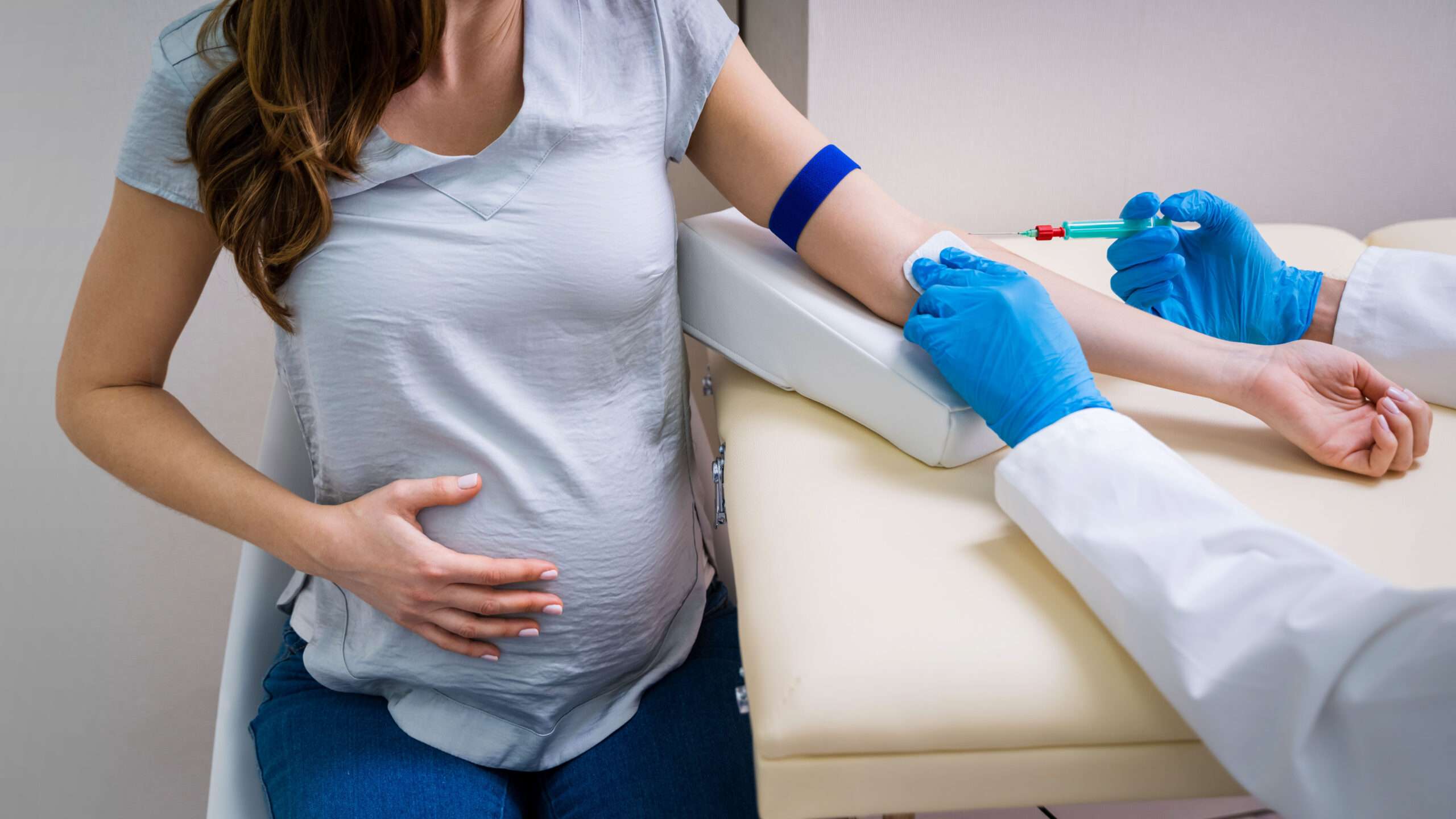
Medical professionals are conducting drug screenings on pregnant individuals without obtaining their consent, and the results are then forwarded to state authorities.
Initially, it may seem reasonable for a new mother to undergo a drug screen as part of prenatal care. A clinician runs a clinical test to exclude possible complications or indications of risk to the newborn.
Yet the situation often takes a troubling turn. When a test comes back positive, the information does not stay solely between the physician and patient. In 24 states plus Washington, D.C., a solitary positive result can trigger a referral to child welfare, and in some jurisdictions the outcome could place the mother on a registry of individuals suspected of abusing a child. Even more troubling, many mothers discover that the test occurred only after it happened.
This pattern appears to conflict with the Supreme Court’s decision in Ferguson v. City of Charleston (2001), which held that drug testing pregnant women without consent for law enforcement purposes is unconstitutional.
Nevertheless, Enrima Ukoha, an obstetrician-gynecologist and specialist in maternal-fetal medicine at Mount Sinai Hospital in New York, tells Reason that the practice—often labeled “test and report”—is widespread and frequently carried out without consent. In fact, over a six-year period The Marshall Project identified at least 70,000 cases across 21 states in which families were referred to law enforcement following a positive test for drug or alcohol use.
Ukoha notes that many clinicians are swayed by stereotypes and stigma surrounding substance use during pregnancy, which can lead to incorrect assumptions about a person’s ability to parent.
The policy emerged as part of the response to the opioid crisis that has affected the country. Each year, about one in ten births in the United States involve some level of drug or alcohol use by the mother.
To address the issue, Congress amended the Child Abuse Prevention and Treatment Act of 1974 in ways that made such nonconsensual testing easier to accommodate. The 1974 statute linked federal grant funding to state plans of “safe care” for infants identified as being affected by substance exposure or withdrawal. It also requires health-care providers involved in the birth or care of these infants to notify child protective services, while clarifying that nothing in the law should be read as mandating prosecution for illegal actions.
In 2016, Congress added an amendment that broadened the scope to include infants affected by all substance exposure by removing the word “illegal” from the clause. In 2018, lawmakers enacted another amendment that funded states to help develop, update, implement, and monitor their safe-care plans. And in 2019, the law was again amended to establish civil and criminal liability for anyone who makes a good-faith report of child abuse or neglect.
There is no federal definition of child abuse or neglect. Absent a nationwide standard, states have adopted their own criteria for reporting and intervention. Ukoha explains that the process varies widely across providers, institutions, and states, but the end result is that many individuals are tested during pregnancy without their knowledge or consent.
Beyond the risk of being separated from their newborns, mothers may be placed on abuse registries—bars to certain jobs or educational activities—or even face incarceration. In Idaho, for instance, Nicole Hamann received ten years on the state’s child-protection registry after a single positive THC test, according to a joint report by CBS News and The Marshall Project.
Moreover, mothers can face criminal charges even when substances involved are legal. In South Carolina, Ayanna Harris-Rashid was arrested and faced a ten-year felony after testing positive for THC; she later admitted using CBD, which is legal in the state and can contain traces of THC, to ease cramping and nausea. A year after her arrest, the charges were dropped.
Departing from a purely paternalistic view of neonatal care, Ukoha contends that the objective is not to connect individuals with treatment or provide substance-use resources, but to penalize them.
Although the practice is widespread, medical associations have long condemned it. The American College of Obstetricians and Gynecologists states that it “opposes any policies or practices that seek to criminalize individuals for conduct alleged to be harmful to their pregnancy or based on pregnancy outcomes.”
Medical professionals hold that urine testing should occur only with the patient’s consent. Guidelines also require informing mothers about the potential consequences of a positive result, including any mandatory reporting obligations. Moreover, experts caution that a positive drug test alone does not prove a substance-use disorder, just as a negative result does not guarantee the absence of use.
The war on drugs has not significantly deterred drug use among Americans. Today, unsuspecting mothers and their newborns are increasingly targeted by aggressive policies that ultimately expand the group of people entangled with the criminal justice system.
