
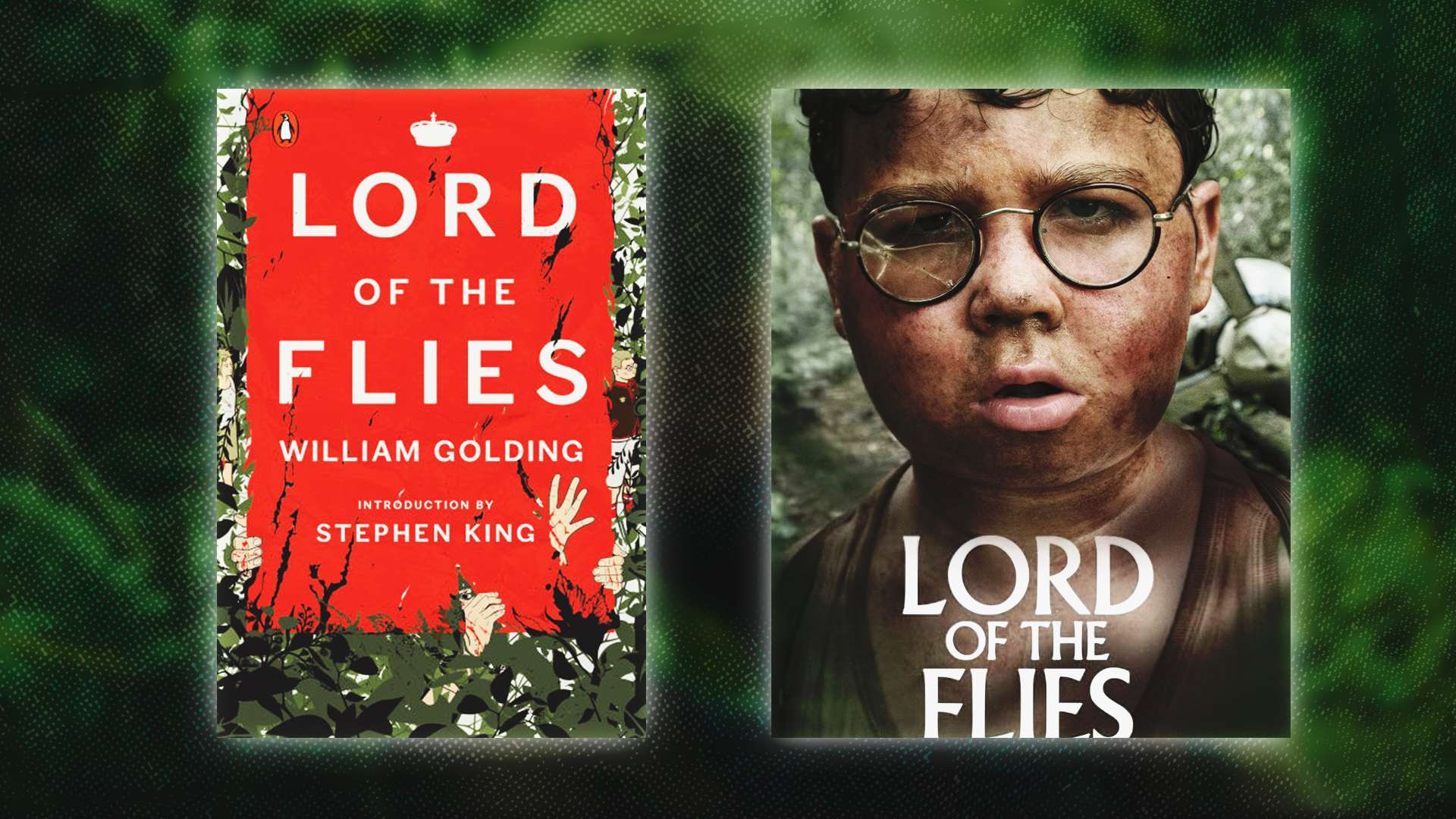
The celebrated novel casts youngsters as feral when left to their own devices. But is that portrayal accurate?
Netflix’s flashy adaptation of Lord of the Flies has rekindled public interest in the tale, which follows a cohort of British boys spiraling into savagery after they become marooned on a distant island. So let me reiterate a point the eminent psychologist Peter Gray repeatedly makes about this work: This is fiction.
We cannot use it as justification to curtail children’s liberty with the claim that “this is what happens.” It simply isn’t.
Indeed, as Gray emphasizes, there exists a different narrative involving six boys stranded on a tropical island in 1965. A crucial distinction: this episode actually occurred—roughly a decade after Lord of the Flies hit shelves. The youths weren’t brought to safety for 15 months. Did theykill one another or erect a pig’s head on a stake?
No. Not only did they construct shelter and assign tasks, they even conducted funerals for the birds they hunted for sustenance.
So much for barbarism.
The so-called “Tongan Castaways” had been companions at a strict, Catholic boarding school. The monotony wore on them to such an extent that they hatched a plan to flee—by boat. (Tonga is a sovereign island nation in Polynesia.)
One night they slipped away with a few bananas, coconuts, and a small stove aboard a boat they had seized from a fisherman they despised. After a gale wrecked their sail and rudder, they drifted for eight days until they finally spotted the island of ’Ata. The island had long been deserted after many of its inhabitants were seized as slaves in a raid in 1863.
Talk about real savagery.
The boys uncovered the remains of the island’s village and made it their home. “The next step was to build a small dwelling. I happened to be the one who knew how to weave coconut fronds, and that’s what we used to fence the house,” recalled Sione Filipe Totau, one of the castaways, to Vice. “Then we started organizing everything according to a routine: how to tend the fire, how to recite our prayers, along with caring for the banana trees. We all worked together as though we’d be living there for a long time.”
When one of them fractured his leg, they managed to set it (and he recovered).
Eventually they discerned a ship about a mile offshore and swam to it as quickly as they could. The first to reach the deck introduced himself and said he hailed from Tonga. The ship’s captain, an Australian, radioed back to shore and twenty minutes later received confirmation: these were the boys who’d been missing and presumed dead! Funerals had already been held.
And so they were bound for home.
Their tale was revived by Rutger Bregman in his book Humankind: A Hopeful History, which was excerpted in The Guardian. Yet you’ll notice the Tonga episode carries far less cultural weight than Lord of the Flies.
Partly that’s unsurprising: high school curricula have long assigned Golding’s novel to generations of readers, making it one of the few literary touchstones that transcends age groups. But the resonance also stems from its sheer drama and devastation—and such storytelling tends to sell.
The current Netflix series was adapted for the screen by Jack Thorne, co-writer of the crime drama Adolescence, which, as noted, is also fiction. Yes, it drew inspiration from some grim crimes in England, but not specifically from a case where a thirteen-year-old, deeply embedded in a toxic online milieu, killed a classmate he had a crush on.
Thorne’s twin dramas about the misdeeds of children left to their own devices—absent sufficient supervision—may coax adults into eye-rolling or hovering from a safe distance.
Yet today’s children, far from rampaging, are frequently found at home. A Harris poll surveying kids aged 8–12—the same age range as many Lord of the Flies protagonists—found most of them have “rarely” or “never” wandered their own neighborhoods without an adult present.
What about killing a pig, or killing each other? A striking 71 percent say they’ve never wielded a sharp knife.
If only there were a way to dramatize their own story—a tale of dysfunction born from our mistrust of them, their capacities, and their judgment. It’s demoralizing to grow up so infantilized. Mental health challenges among children and adolescents have risen while their independence has diminished, supplanted by activities run and supervised by adults.
That reality isn’t fiction. But it isn’t the stuff of sensational cinema either. It lacks the blood-drenched visual that can be plastered on a poster.
So we persist in focusing on how poorly kids behave when they’re not enrolled in travel soccer. Then we corral them into a Tahoe-going excursion that passes for adventure.
