
Obstinate Daughters leaves readers yearning for more insight into the women it profiles.
“In a canon saturated with the achievements of white men who helped shape our nation, many readers sense that a substantial portion remains unspoken and unwritten,” writes Denise Kiernan about midway through Obstinate Daughters: The Rebels, Writers, and Renegade Women Who Ignited the American Revolution.
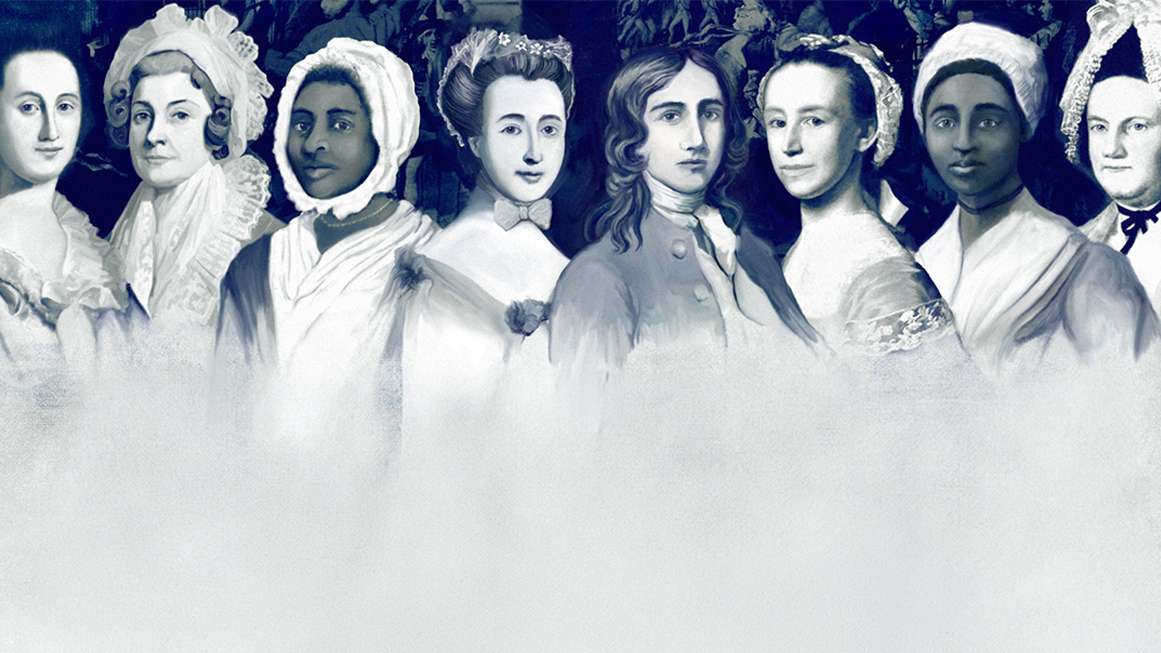
An attempt to illuminate a portion of this hidden history, the book introduces women from diverse stations, standings, and sympathies who navigate the upheaval—military, political, and domestic—of the Revolutionary War.
There is Mary Katharine Goddard, the newspaper publisher whose signature is the sole female to appear on the Declaration of Independence, since she printed it. There is Phillis Wheatley, an enslaved poet who earned the praise of George Washington and many others. There is Prudence Wright, who led a women’s militia in Pepperell, Massachusetts, while the town’s men were off fighting elsewhere. Wives, writers, fighters, spies, sex workers, tavern owners, instigators of British tea and fashion boycotts—all make appearances.
And there are many men as well, not only the celebrated ones or those closely tied to the lives of the women highlighted. A substantial portion of the text covers enslaved or indigenous men, too. It seems the author aimed to craft a broader history of people who were neither white nor male in that era. The concept is appealing, yet it can feel somewhat jolting given that the book presents itself as a women’s history.
Obstinate Daughters left me craving deeper portraits of the women it chronicles. Instead, the work reads more like a broad, chronological war history with women and nonwhite men sprinkled in. That approach is understandable, given the scarcity of source material about women’s lives during this period. Still, it becomes more of a “record of the female experience during this era” than a collection of dramatic narratives or thorough explorations of any single woman.
