
How’s that for efficiency?
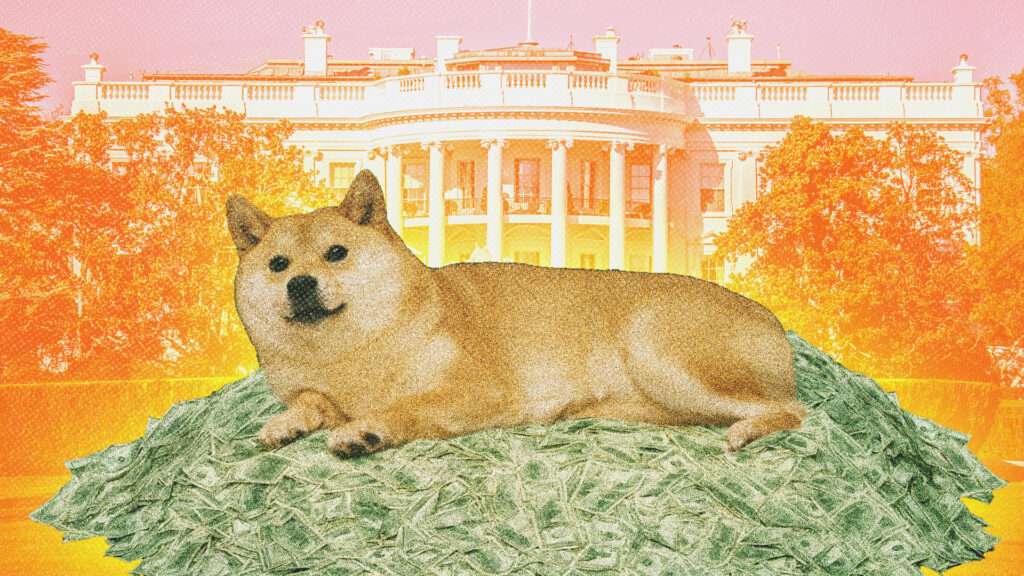
Federal employees were paid $9.5 billion not to work during 2025, largely due to the Trump administration’s drive to shrink the federal workforce and curb spending.
Only one of these aims has been realized.
That $9.5 billion figure signifies a 435 percent surge in paid administrative leave compared with 2023 figures, per the Government Accountability Office (GAO) in a briefing this week. In total, federal workers accrued about 21.6 million administrative leave days in 2025, up from roughly 4 million days off in 2023 and 2024, the GAO noted.
Most of the administrative leave spending was tied to a deferred resignation program devised by the Office of Personnel Management (OPM) early in the second Trump term. Employees who agreed to resign by February 12, 2025 were allowed to continue receiving pay through the end of September, marking the close of the federal fiscal year. Approximately 140,000 employees accepted the offer.
The OPM instructed agencies to place those workers on administrative leave and reassign their duties. About $6.7 billion of the $9.5 billion in 2025 administrative leave costs were connected to the deferred retirement program, according to the GAO’s new findings.
Was it worthwhile? The deferred retirement initiative did shrink the federal workforce. When Trump took the oath for a second time in January 2025, the payroll exceeded 3 million; by last month, it had fallen to under 2.7 million. Cutting roughly 10 percent of the federal workforce stands as one of the administration’s more libertarian-sounding moves and, taken alone, might justify the one-off $6.7 billion incentive that nudged many workers to leave voluntarily.
However, giving praise to Trump’s staff reductions comes with caveats.
First, simply firing workers does not materially lower government costs—and that is the core consideration. This fiscal year’s spending is projected to exceed 2025 by around $400 billion, and the budget deficit is also expected to rise. Real savings require terminating or privatizing government functions.
Second, the drive to shrink the federal workforce has been undermined by the administration’s eagerness to expand immigration enforcement and other policing roles.
In January, for instance, the Department of Homeland Security boasted in a press release that ICE had more than doubled its headcount in a single year. As part of that recruitment drive, the agency offered $50,000 signing bonuses and student loan forgiveness to new hires. A whistleblower testified before Congress earlier this year that ICE also cut corners on training for its new recruits.
Replacing desk-bound bureaucrats with heavily armed, inadequately trained personnel is not a win for liberty or a step toward a smaller government, even if payroll numbers shrink.
Finally, some of the payroll reductions are now being undone. The Partnership for Public Service, a nonprofit advocating for reform of the federal workforce to enhance effectiveness, estimates that about 20,000 of the positions left vacant due to the deferred retirement program have since been filled or rehired. That is probably inevitable following a hurried effort to slash as many jobs as possible in a short span.
As laudable as the aim may be, the Trump administration’s attempts to trim the federal workforce are turning out to be more costly and less effective than they might have seemed at first.
