
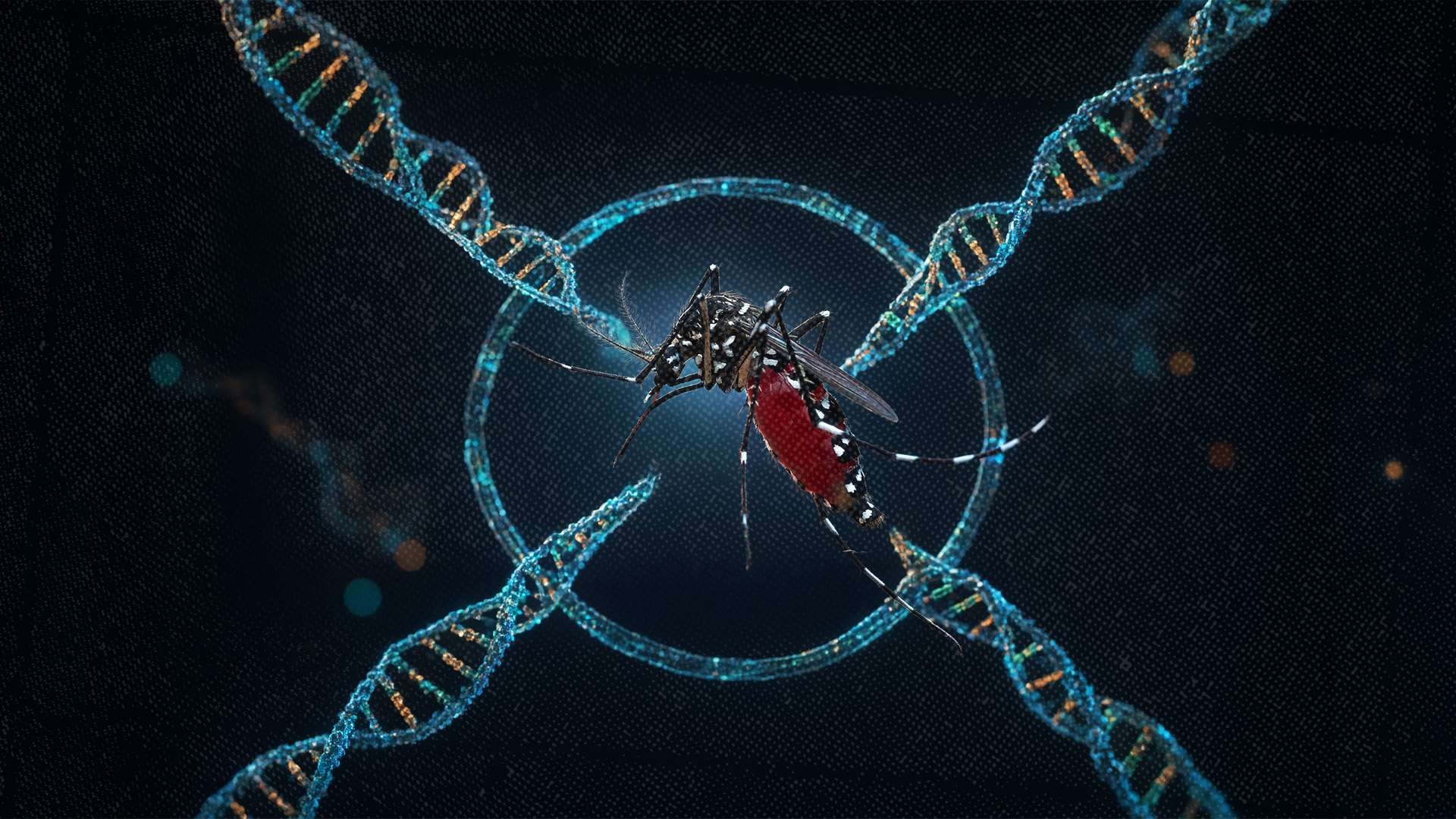
Is it time to unleash gene drives to eradicate these disease‑carrying pests?
On Tuesday, President Donald Trump signed an executive order directing several federal agencies to devise and carry out a nationwide effort in Washington, D.C., with the aim of reducing invasive mosquito populations—specifically the Asian tiger mosquito and the Egyptian mosquito—as well as other species, by 90 percent by 2028, and lowering tick numbers by 50 percent, with additional reductions pursued where feasible. As a part-time resident of the District, I can only say that this development is encouraging.
The directive tasks agencies with conventional pest-control measures—eliminating breeding grounds by draining standing water and reducing the populations of tick hosts such as rodents and deer. Yet it goes further, urging them to evaluate sterilization methods, pursue safe genetic modification, and employ beneficial bacteria, and to give priority to expeditiously developing or approving new tick- and mosquito-control methods or products that the EPA Administrator determines to be safe and effective.
Using sterile males and Wolbachia-infected males to mate with wild females has achieved population drops of up to 95 percent in some instances. Yet gene drives offer an even more powerful approach to eliminating these disease vectors.
Gene drives skew inheritance so that a chosen trait is transmitted to nearly every offspring, rather than the usual 50/50 split. Scientists can modify male mosquitoes that do not bite so that they pass a gene to nearly all their progeny that is fatal to the larval stage of female mosquitoes. With fewer females reaching maturity, the pest populations capable of spreading disease would rapidly collapse.
Beyond ticks, gene drives could be used to suppress tick populations, but some argue targeting the hosts might be more effective. For instance, releasing mice engineered to resist Lyme disease and other tick- and mosquito-borne illnesses could disrupt transmission cycles. Gene drives could also be aimed at rodent populations themselves. If complete eradication seems excessive, a California research team has designed a gene-drive system that can be tuned to reduce the pest numbers to a chosen level.
One can hope that the executive order will spur reluctant regulators to hurry the approval process for deploying gene drives in pest management.
