
If statutes enacted by Congress fail to constrain presidential actions, then democracy as a system ceases to exist.
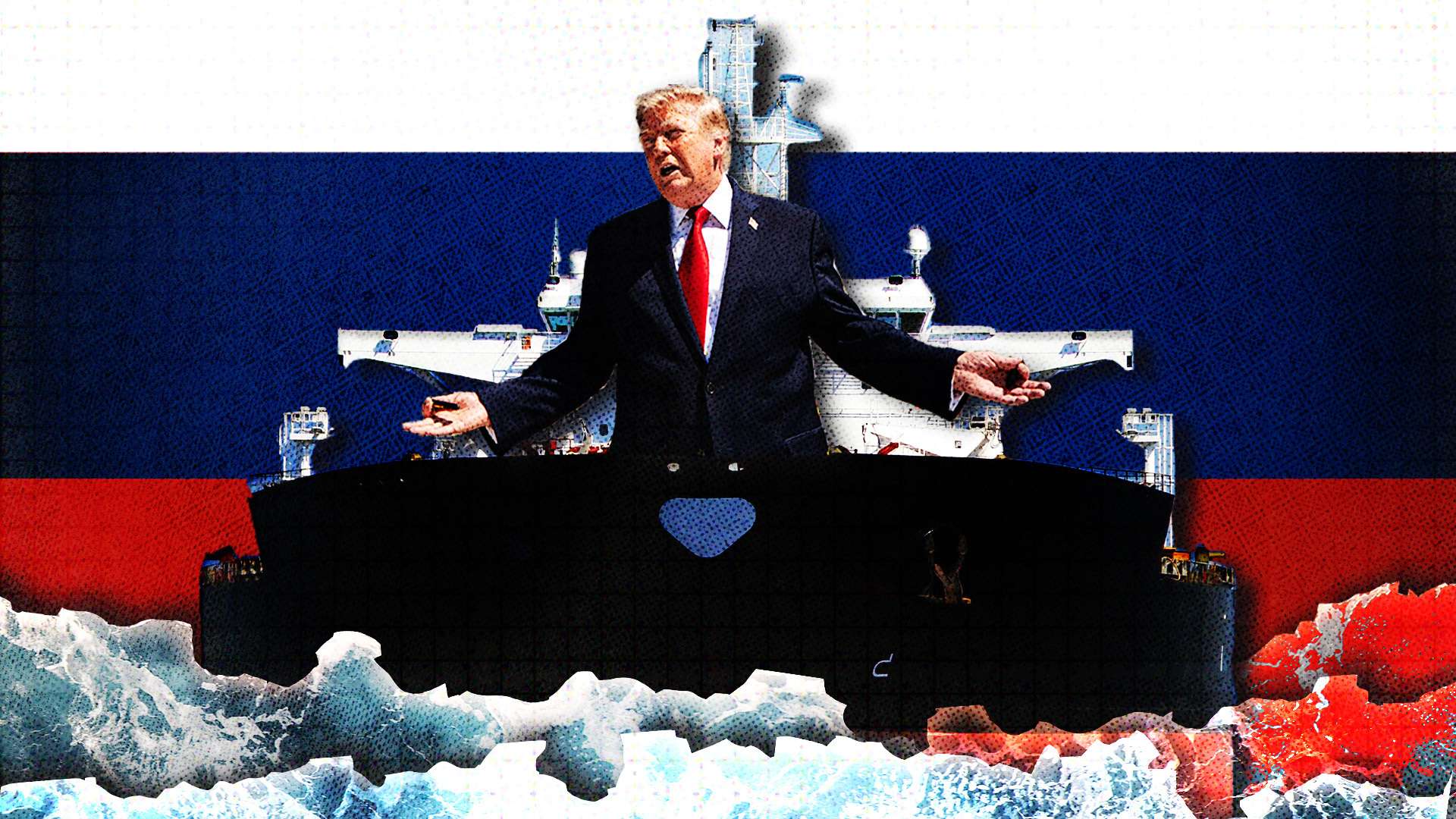
President Donald Trump asserts he has brokered an agreement with Russian President Vladimir Putin to bring sizable quantities of diesel into the United States—apparently aimed at reducing fuel costs in the run-up to the midterm elections.
The exact terms of that agreement remain somewhat opaque. The White House has not disclosed when the purchases would occur, what prices would be paid, or who would bear the cost (private firms or taxpayers), though the Treasury announced it would issue a “temporary general license to permit the supply of Russian diesel to the global market.” Coverage by The New York Times indicates that investors tied to the administration are most likely to benefit. Since diesel prices are set by a worldwide market, there is also little assurance that Russian diesel would meaningfully affect American prices.
However, one thing is clear: if Trump proceeds with this so‑called “deal,” he will be in violation of two federal laws enacted by Congress—one of which he signed only weeks earlier.
The more consequential of those two statutes is the Ending Importation of Russian Oil Act, which passed the House by a 413–9 vote and won unanimous approval in the Senate. President Joe Biden signed that measure into law on April 8, 2022. The statute outright bans Russian energy products, including diesel fuel.
The statute also outlines the mechanism for lifting the ban on imports. The president must inform Congress that Russia has “reached an agreement to withdraw Russian forces and cease military hostilities in Ukraine” and has acknowledged “the right of the Ukrainian people to independently and freely choose their own government.”
There is a clearly defined timetable for ending the ban. Any termination requires a 90‑day waiting period, during which Congress can intervene to block the change.
Obviously, Russia has not withdrawn from Ukraine. Even if that were the case, the White House has not completed the required notification to Congress, nor has it observed the mandatory 90‑day waiting period.
The law does not permit a president to disregard it merely because fuel prices are high or an election is approaching. It does not permit ignoring it if he launches an illegal war elsewhere that drives prices up.
Trump’s bid to flout that law has drawn a bipartisan rebuke from lawmakers. A group of seven senators—three Democrats and four Republicans—issued a joint statement this week declaring that Trump’s deal “runs directly counter to” the 2022 law.
Sen. Thom Tillis (R–N.C.), one of the senators signing that statement, said on Sunday that there is “a legitimate case for saying the president’s not following the law.”
The second statute at issue is the Lindsey O. Graham Sanctioning Russia and Iran Act, named in honor of the late senator and enacted earlier this year. Among other provisions, it authorizes the president to impose tariffs of up to 100 percent on nations that purchase Russian crude oil and natural gas. The purpose is clear: to choke off Russia’s ability to fund its war against Ukraine by selling energy commodities on the world market. Trump signed that law last month.
Lawmakers from both parties have cited that statute in the days following Trump’s announcement about purchasing Russian diesel.
“Now is the moment to wield those sanctions to squeeze Putin’s war machine, not reward a dictator by funneling more money into his hands while he continues to target and kill Ukrainian civilians,” Rep. Don Bacon (R–Neb.) wrote on X this week. Rep. Steny Hoyer (D–Md.) argued it was “outrageous” for Trump to buy energy from Russia after signing a bill that could punish other nations for doing the same.
The White House may contend that, in this instance, Trump is violating the spirit of the law rather than its exact wording. Even so, the stance reads as pointed hypocrisy.
The inconsistency runs deep. The Trump administration has spent much of its second term attempting to curb trade and dismiss the counsel of economists who warned that such policies would raise prices. Now, Trump is once again seeking imports as a means to relieve high prices—as he has done with beef and other goods. Perhaps the White House should apply this general principle more broadly, and in contexts where it would not run afoul of federal law.
Some of the president’s supporters are attempting to minimize these legal breaches. Conservative commentator Mollie Hemingway suggests Trump is simply trying to “put the American people first” by addressing rising gasoline costs.
Sorry, but that framing misses the mark. A president is not permitted to disregard federal statutes simply because he believes it will lower gas prices in battleground states.
You may oppose the laws on grounds they are misguided. Free trade generally benefits economies, and erecting obstacles to the flow of goods tends to raise costs. Trump could urge Congress to repeal these laws. He cannot, however, deliberately ignore them.
If the proposed deal with Russia materializes, it would further erode the diminished authority Congress retains within the American democratic framework. If a president is not bound by the statutes enacted by Congress, then the legislative branch could effectively cease to exist.
