
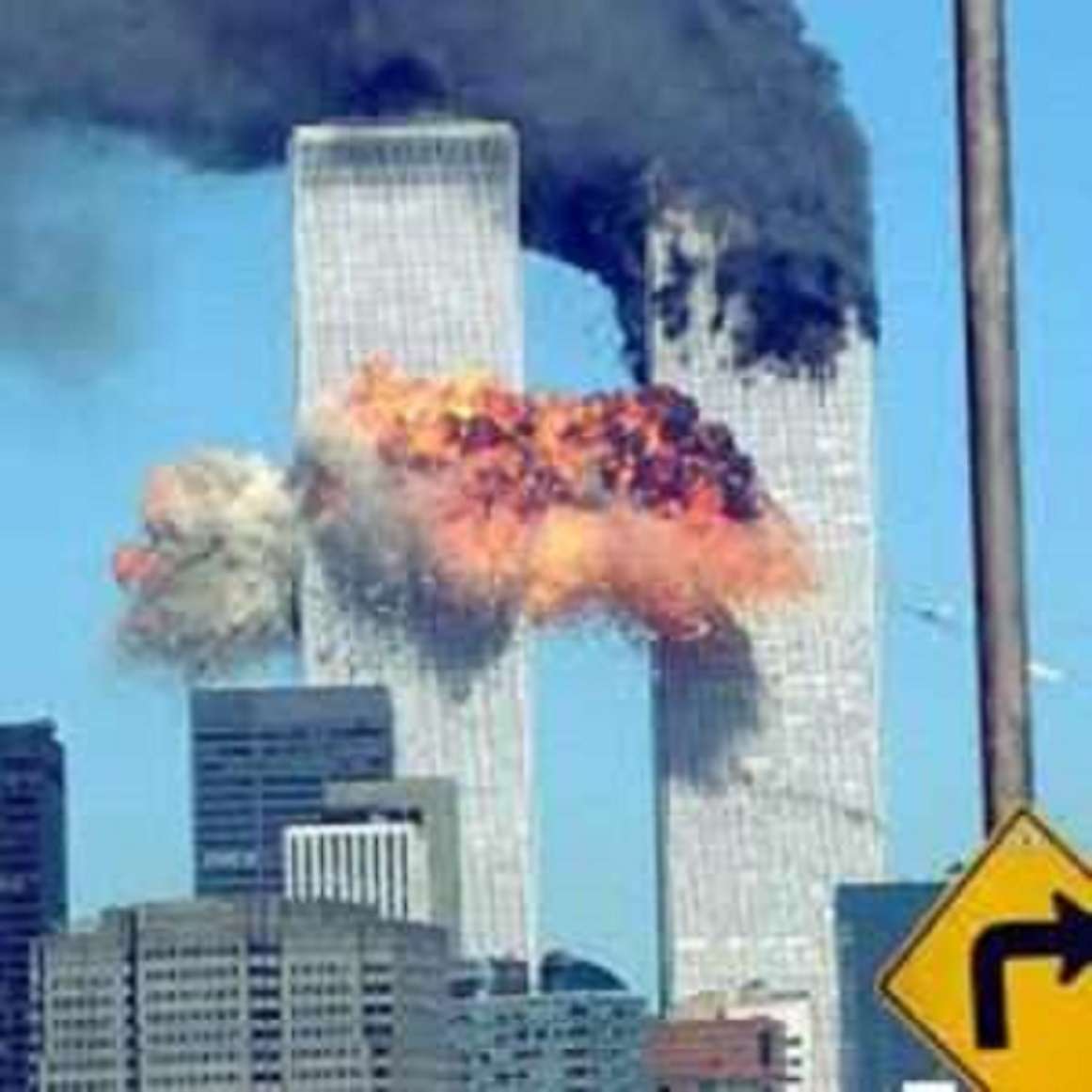
Writings on the 9/11 attacks, their aftereffects, and the continuing concerns about the expansion of dangerous emergency powers, along with efforts to safeguard Afghans who escaped the Taliban.
the 9/11 attack. Today marks the twenty-fifth anniversary of that day. I have previously written about my memories of the event and my thoughts on what followed. I’m not aiming to recount everything here. Nonetheless, you can access my earlier piece on the subject, crafted for the twentieth anniversary. A brief excerpt from that piece follows: On September 11, I was serving as a law clerk for a federal judge in Houston, Texas. My first awareness came as I drove to work, listening to a radio station that seldom carried news breaks. When the program interrupted its usual playlist to report that a plane had struck the World Trade Center, I assumed it must be some kind of prank. I recalled the 1938 War of the Worlds radio scare and wondered if this was a similar ruse. Upon arriving at the office and trying to pull up CNN on my computer, the site wouldn’t load because so many people were trying to reach it at once. That was the moment I understood the attack was real. The day’s business in our judge’s chambers carried on more or less as usual for much of the time. Still, I felt compelled to reach out to people I knew in the New York area to check on their safety. The longest conversation was with the brother of a Muslim friend who worked near the Twin Towers. By the time we spoke, it was late morning, and we already recognized the likelihood that radical Islamist terrorists were behind the assault. We talked about the potential effects on U.S. foreign policy, and about the possibility of a surge in anti-Muslim prejudice at home. We both anticipated a robust military response, and we both supported that prospect; I still believe it was necessary, even though many people now disagree. On the other matter, I mentioned historical precedent… suggesting such a backlash could occur. Yet I also believed there would be more resistance to it than in earlier eras… I was right only in part. I would also like to draw attention to two major items left unfinished in the wake of the attacks and the subsequent war in Afghanistan. First, as prominent conservative legal scholar and former federal judge Michael McConnell notes in a recent article, 9/11 accelerated and intensified a trend toward normalizing the ongoing use of dangerous emergency powers by the executive branch. While the 9/11 emergency was genuine, the reaction to it helped incentivize deploying such powers in response to routine public-policy challenges, and even to issues (such as trade deficits) that aren’t really problems at all. McConnell is correct in urging Congress to curb the resort to emergency powers. The judiciary could also contribute by applying more stringent review to executive assertions of such powers. I explain how and why this should happen in two articles published last year: “Not Everything is an Emergency,” The Dispatch, July 31, 2025 (non-paywalled version here). “Trump’s ‘Emergencies’ Are Pretexts for Undermining the Constitution,” Lawfare, May 15, 2025. And, for those keeping score, yes, I also objected to the misuse of emergency powers during Biden’s tenure. See, for example, here and here. The second major outstanding issue concerns the treatment of Afghans who fled the Taliban, including many who aided U.S. forces during the war. I, along with others, have long argued for granting these individuals permanent-residency rights in the United States, thereby shielding them from deportation back to their oppressors (see here and here). Regrettably, under the so‑called Trump 2.0 era, we have moved in the opposite direction. Trump has aimed to deport Afghan refugees—those who supported us in the War on Terror—back to the Taliban and has suspended the processing of immigration applications and benefits for all Afghans. The suspension continues for nearly all Afghan visa applicants, including those eligible for special visas because they aided U.S. forces in the conflict. A June 2026 court ruling rejected the suspension and the “re‑review” of visas and benefits for those already in the United States. These efforts to repatriate Afghans to their oppressors are both unjust and counterproductive for reasons I have outlined here. The twenty-fifth anniversary of 9/11 provides a fitting moment to honor and remember the victims of that horrific attack. It also offers an opportunity to renew our commitment to protecting Afghans who helped us and fled the Taliban, and to curb the dangerous surge of emergency powers that has grown over the past quarter‑century.
