
Plus: Gains in Venezuela, the Brooklyn building collapse’s suspected cause, and more…
Zohran Mamdani aims to derail my life: Like any exhausted mom juggling a busy household, I unapologetically defend Amazon to the hilt. That company seems infallible in my view. In the past week alone, it has delivered me melatonin; foam baseballs so my 4-year-old can practice indoors without toppling (more) wine glasses; math and reading books that helped me plan lessons for our homeschooling co-op; nearly half of the Little House on the Prairie series; and disposable containers so I could prepare meals for a church family that just welcomed a new baby. These purchases feel wholesome and commendable: Amazon has enabled indoor activities, plenty of reading, meal drop-offs, and better sleep. It would have caused substantial inconvenience if I had to haul myself to the dreary Barnes & Noble on Atlantic Avenue, the drugstore, the grocery store, and the sporting goods shop on Dekalb (which might not even stock such light foam balls) while also trying to, you know, write this newsletter, finish a book, cook all the meals, etc.
The Reason Roundup Newsletter by Liz Wolfe Liz and Reason help you make sense of the day’s news every morning.
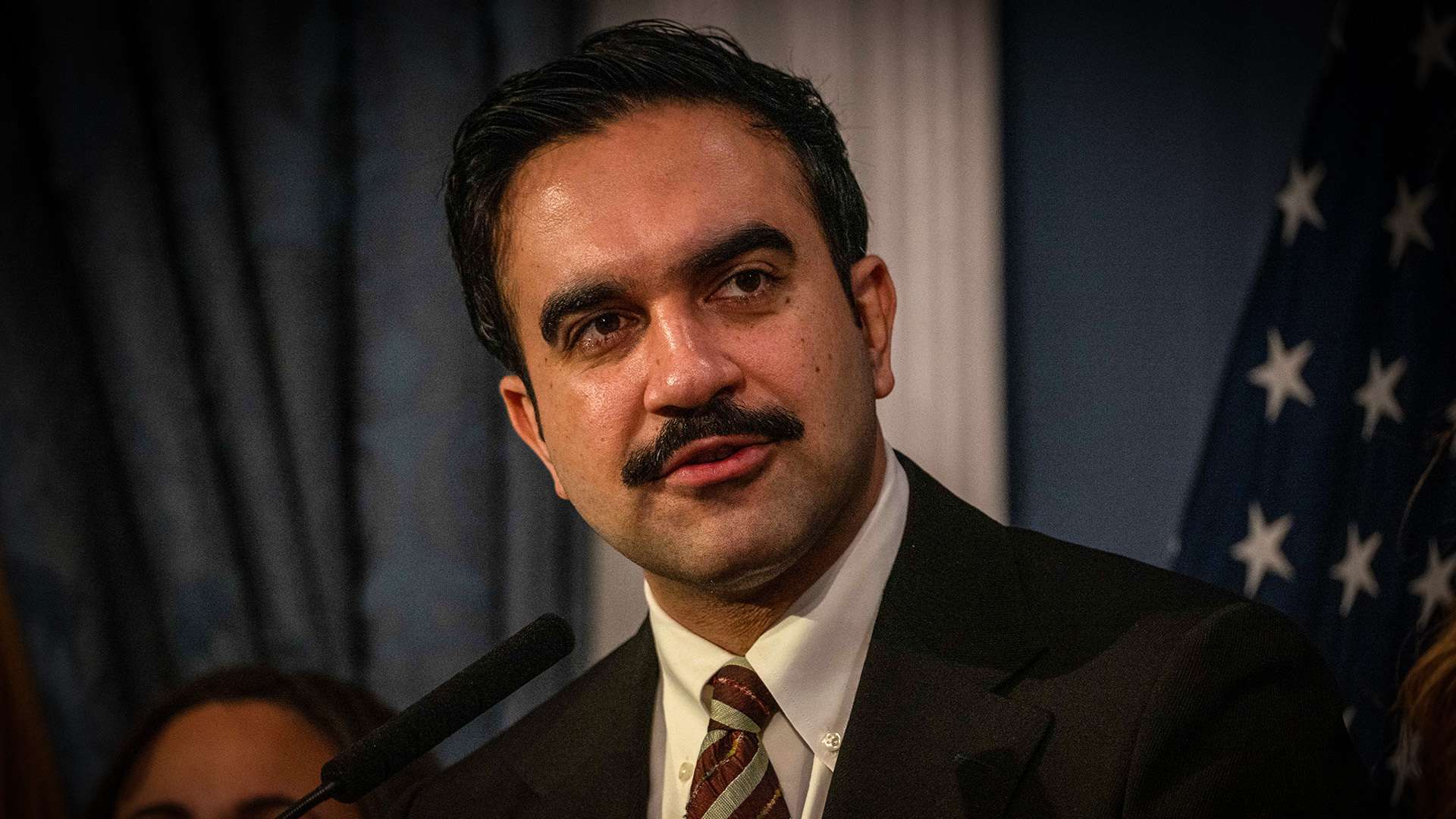
So why does Mamdani, now sporting a suitably villainous mustache, hate me so? What drives his bid to ruin me and bring about my downfall?
A City Council bill, steered by Mamdani and brought forward by Tiffany Caban, would require “last-mile delivery operators to be licensed by the city and directly employ workers rather than contractors,” potentially adding up to $5 to each order. Dubbed Intro 518 or the Delivery Protection Act, the measure would force Amazon to sever ties with its current network of small delivery outfits.
“If this legislation passes,” proclaims a new banner on Amazon’s site, “we’d no longer be able to work with [the existing network], and we would be compelled to contemplate relocating our operations outside the city. That would likely mean slower and costlier delivery for millions of New Yorkers, while also jeopardizing small businesses and their thousands of workers.” (Other firms, including FedEx and DoorDash, could also see price hikes under this law, notes Ars Technica.)
It’s plausible Amazon will pass some of the costs onto customers. That would be a rational business move. But if I had to guess, their customers—people like me—are already the ones underwriting this city on every level. Our household shoulders a hefty tax bill. We pay subway and bus fares (often the only ones footing the bill as we board). We fund schools through taxes, though we rarely benefit from them because they don’t meet our standards. (Not unique to us, of course, though vouchers are beginning to return money to parents.) At some point, people grow tired of being treated like cash cows and of losing the services they value.
Amazon began sending notices today, via desktop and mobile, to New York residents warning of potential price increases and urging them to contact their representatives. The City Council seems irritated that they’ve escalated this into a trench warfare scenario:
It defies logic that Amazon, a $3 trillion company, would raise New Yorkers’ cost of living if it’s forced to follow basic regulations and worker protections.
We are crafting legislation that regulates Amazon and protects workers, without impacting prices or jobs.
If… https://t.co/UWXVTJhRL6
— Speaker Julie Menin (@SpeakerMenin) November 19, 2026
And our Tom Selleck-esque mayor calls Amazon’s moves nothing short of “greed”:
Amazon is a multi-trillion dollar company. If Jeff Bezos raises your order by $5, it isn’t because City Council’s efforts to safeguard workers and keep our streets safe are at fault. It’s greed.
Pass the Delivery Protection Act. https://t.co/dpcy5Refw0
— Mayor Zohran Kwame Mamdani (@NYCMayor) November 19, 2026
If it’s greed, why isn’t Amazon doing this already? I can’t help but wonder whether one of the most successful firms in history, serving 310 million customers worldwide, knows more about making its finances work than a 35-year-old, nepotistically installed mayor just starting his first real job.
Now, to be clear, paying delivery workers well isn’t inherently a bad thing. Yet when the state mandates exactly what constitutes a fair wage and, in this instance, the precise training they must undergo, there’s a strong chance many of them will end up unemployed. Firms must preserve reasonable margins, and if the regulatory environment makes operating in a given area unprofitable, they can simply relocate or withdraw.
When NYC implemented its minimum-pay rule for food delivery apps, average delivery fees jumped ~66% (from $4.05 to $6.73) and total order costs rose about 10–13% https://t.co/jsMzejEATY
— Phil BuildTheFutureNow 🇺🇸🦅🌲💙 (@PhilSustainable) November 19, 2026
Laughable:
It’s awful to hike prices and threaten to bail out if your demands aren’t met, the Teamsters have told me. I’m listening and learning. https://t.co/w7AfKEADSg
— Byrne Hobart (@ByrneHobart) November 19, 2026
Greed certainly appears to be shaping this political struggle, but it isn’t the force behind the shift that turns my hard-earned money into instant Little House in the Big Woods deliveries.
Scenes from New York:
Modern American building rules are funny. We impose heavy mandates for unlikely risks (second stairwells, sprinklers) while letting noise regulation slide, arguably the single biggest quality-of-life issue in an apartment. https://t.co/lZ4rnSxANP
— M. Nolan Gray 🥑 (@mnolangray) November 19, 2026
QUICK HITS
- “The Defense Department and Environmental Protection Agency have known since at least April that the U.S. Army was sitting on 68 barrels of degrading, volatile lead explosive at its Middletown, Iowa, ammunition plant,” reports The Washington Sun. “The communities surrounding the plant and state leaders only learned this week that the Army’s plans to detonate the lead explosive on Nov. 20 could generate a plume of toxic lead dust that could drift far beyond the town and possibly into neighboring Illinois.”
- “Venezuelan opposition leader María Corina Machado wants to reshape the country’s energy sector even more than the sweeping changes it has already undergone this year, signaling a bigger role for private industry if she wins the presidency,” reports Bloomberg.
- “The Brooklyn building that collapsed last week most likely did so because nearby excavation weakened the base of the century-old structure,” reports The New York Times.
